




 Pular para o conteúdo
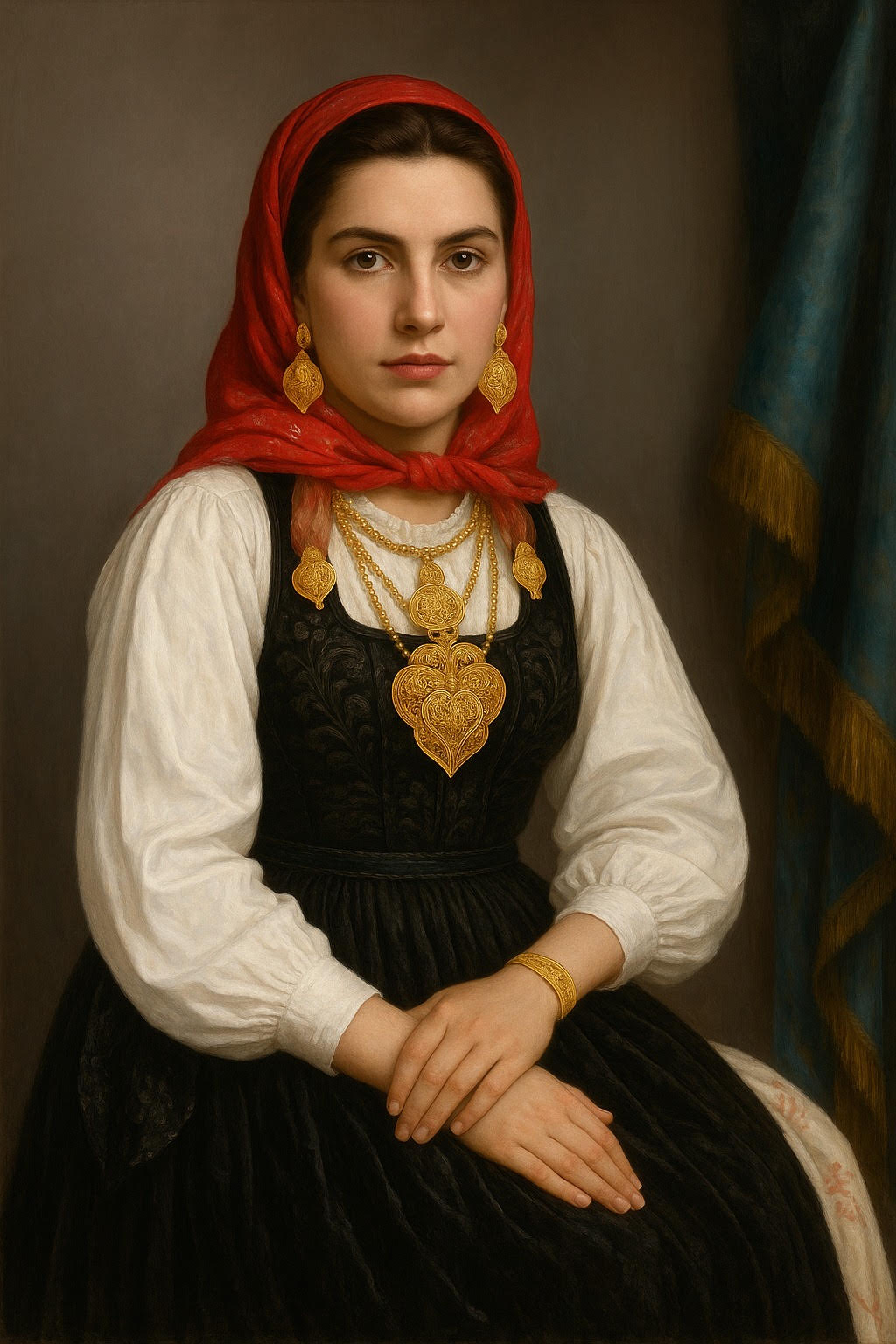
High Jewellery is the Haute Couture of the Jewellery World
says historian Vivienne Becker
Unlike conventional, commercial or fine jewellery, it is defined not merely by its value, but by a set of rigorous technical and artistic criteria.
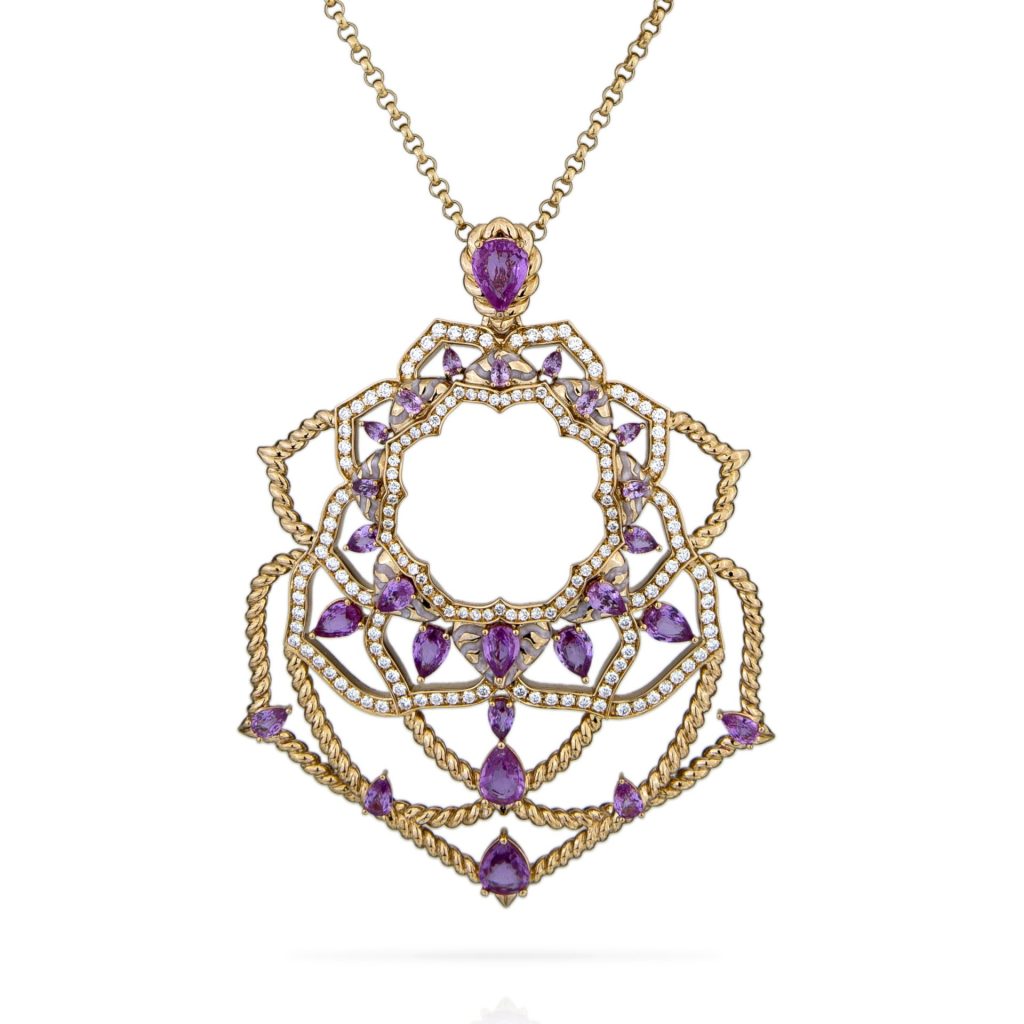
High jewellery is to this art form what haute couture is to fashion: the pinnacle of exclusivity and craftsmanship. Whilst iconic collections from renowned brands serve as a form of luxurious ready-to-wear accessible to a wider audience, high jewellery creations are rare pieces that elevate precious materials to the status of works of art.
High jewellery pieces are created for the client or emerge on the brand’s initiative as an inspiring and inspirational work, inspired by a theme or a special gemstone. Crafted and designed to be exclusive in terms of quality, quantity and craftsmanship.
Although fine jewellery is often more valuable than jewellery in general, its value is determined by a number of factors. Some factors which help to determine the value of a piece of fine jewellery:
Only experienced designers and master jewellers are entrusted with the task of conceiving, creating and crafting these pieces, ensuring every piece of fine jewellery is a work of art.
High-end jewellery uses precious metals, gemstones of recognised quality and, at times, surprising materials that bring dreams to life.
The Royal Treasury Museum, housed within the Ajuda Palace in Lisbon, holds a unique collection of jewellery featuring Portuguese pieces of high-end jewellery, where the use of surprising materials helps to make the pieces stand out.
Let’s take a look at some surprising materials:
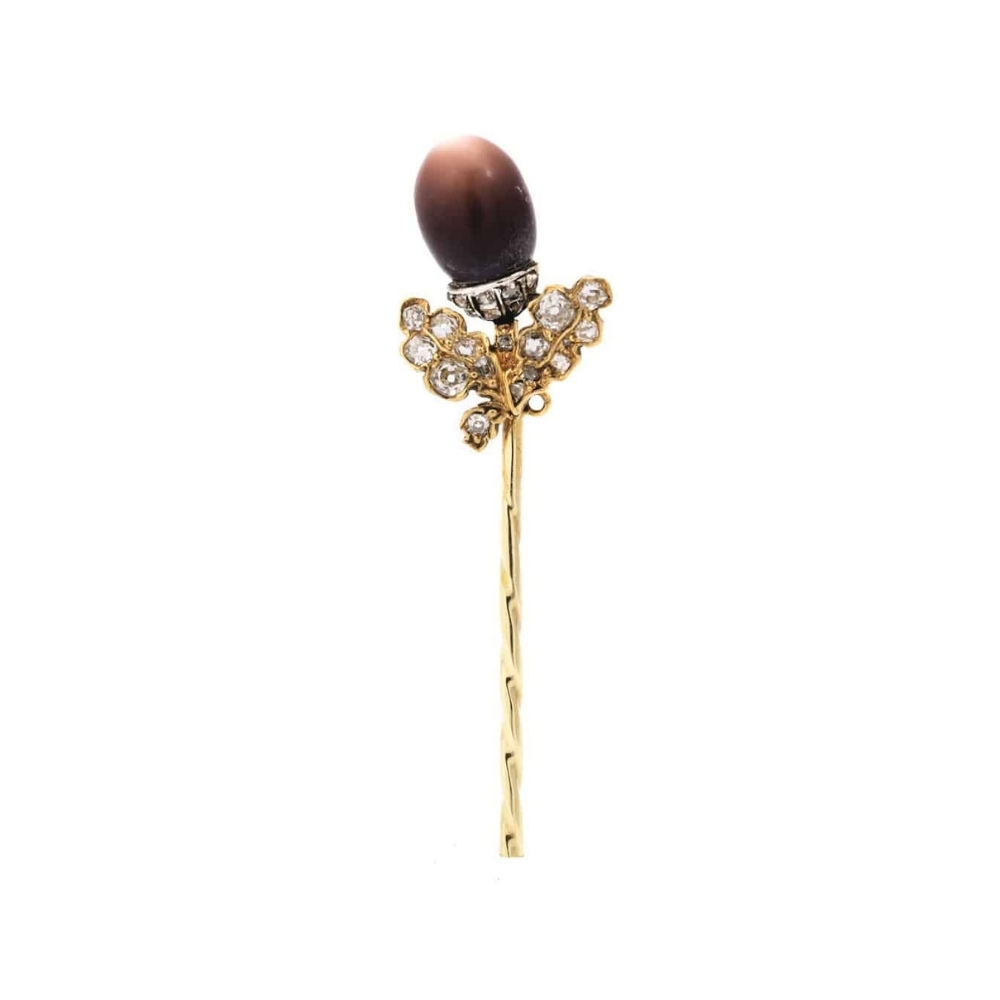
‘Acorn’ tie pin. France or Portugal, 19th century (third quarter). Clam pearl (Veneridae), diamonds, gold, silver.
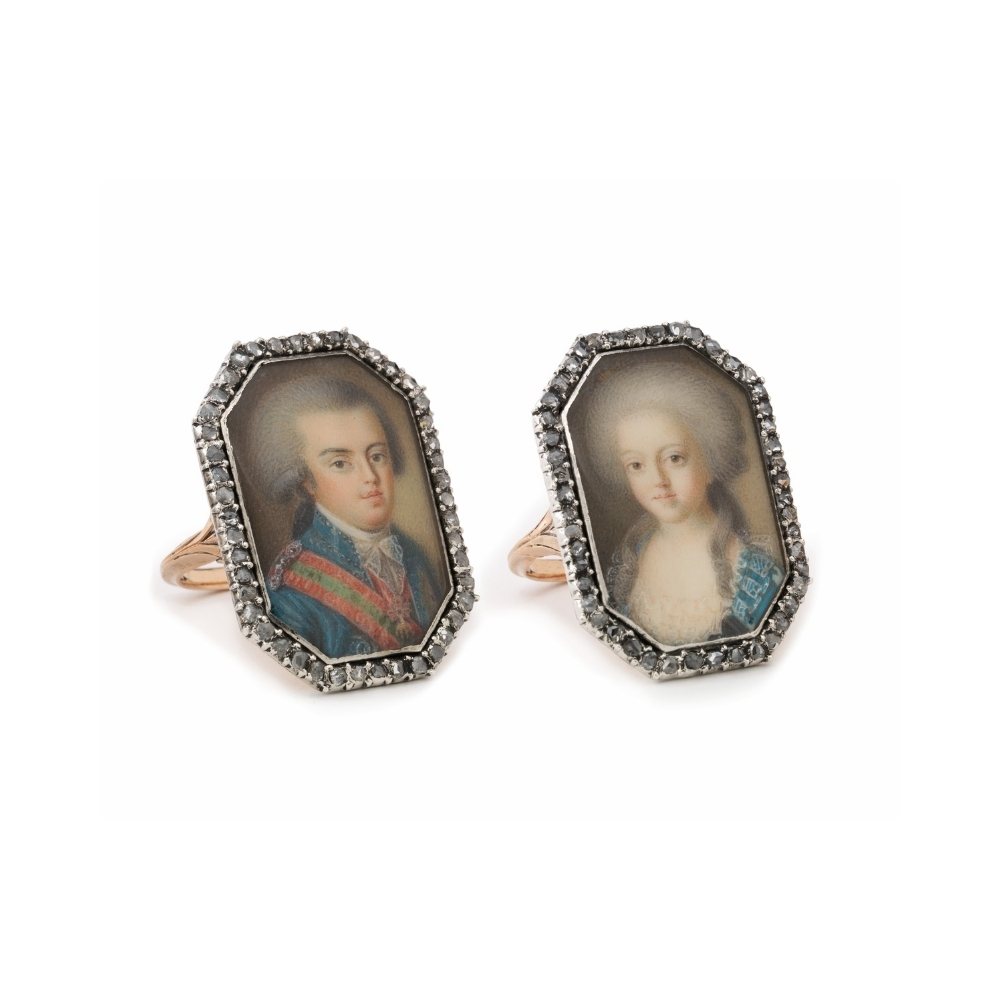
Pair of rings featuring miniatures of Prince João and Princess Carlota Joaquina, with case. Portugal, Lisbon, late 18th century. Portugal, Lisbon, late 18th century. Diamonds, painting on ivory, glass, gold, silver (rings).
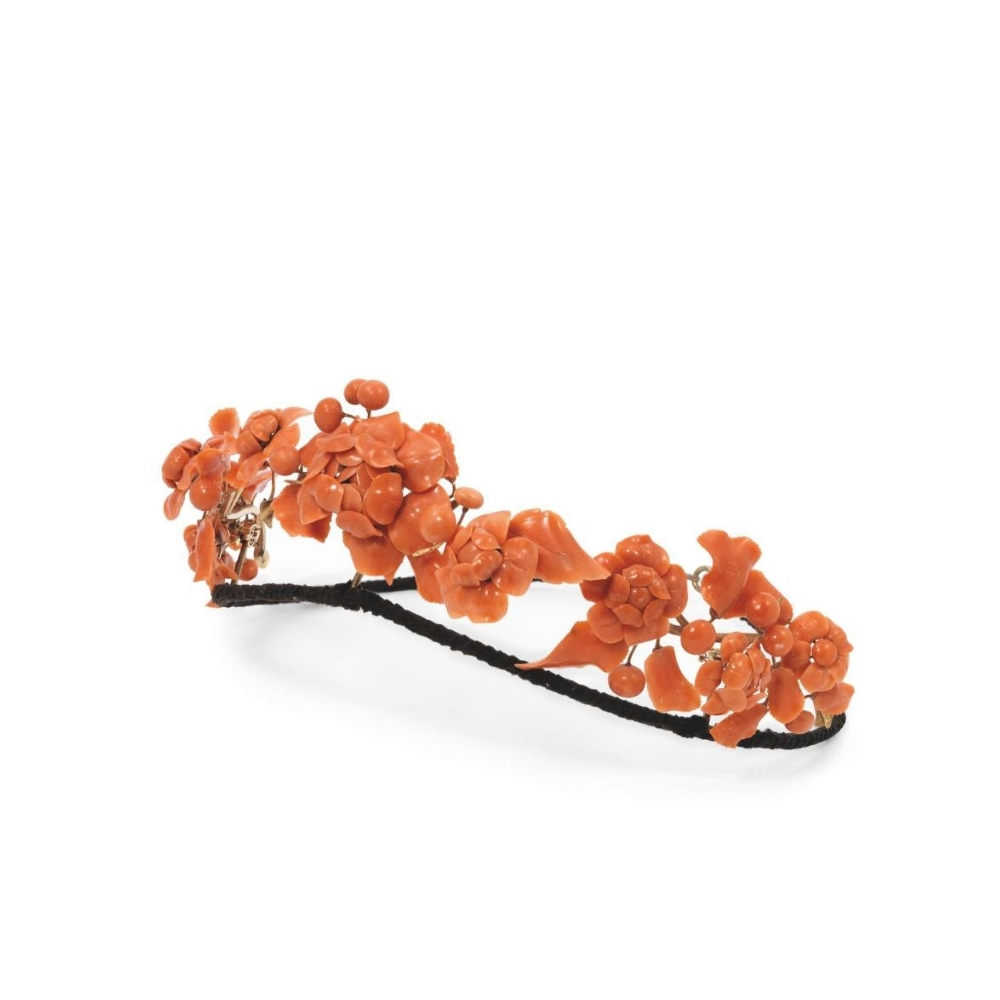
Detachable tiara and hair clip – Italy, Naples, 19th century (3rd quarter). Precious coral, gold, cotton (tiara); precious coral, tortoiseshell, gilded metal (hair clip).
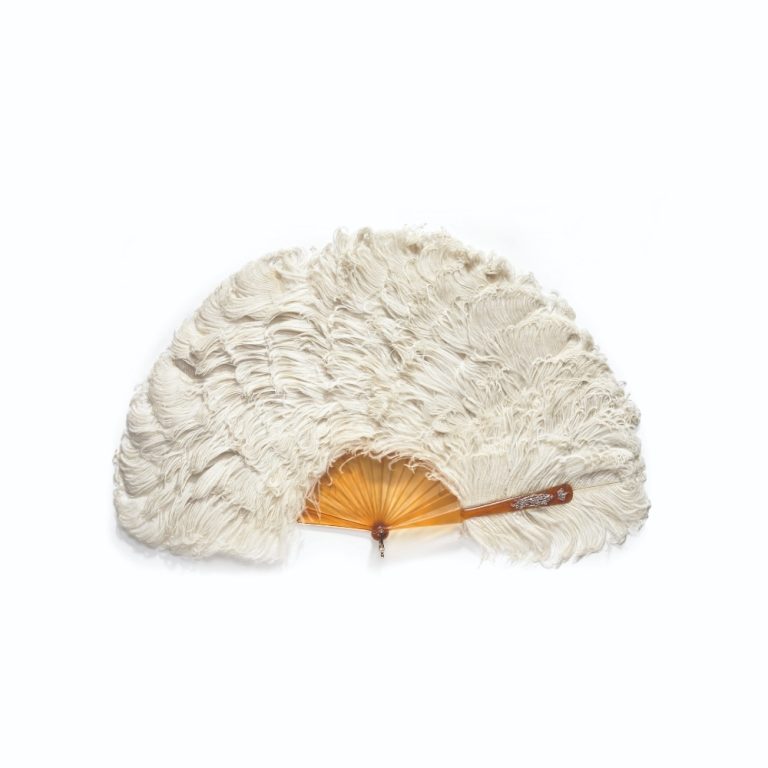
Fan. France, Paris, 1888. Ostrich feathers, tortoiseshell, gold, silver, diamonds, rubies.
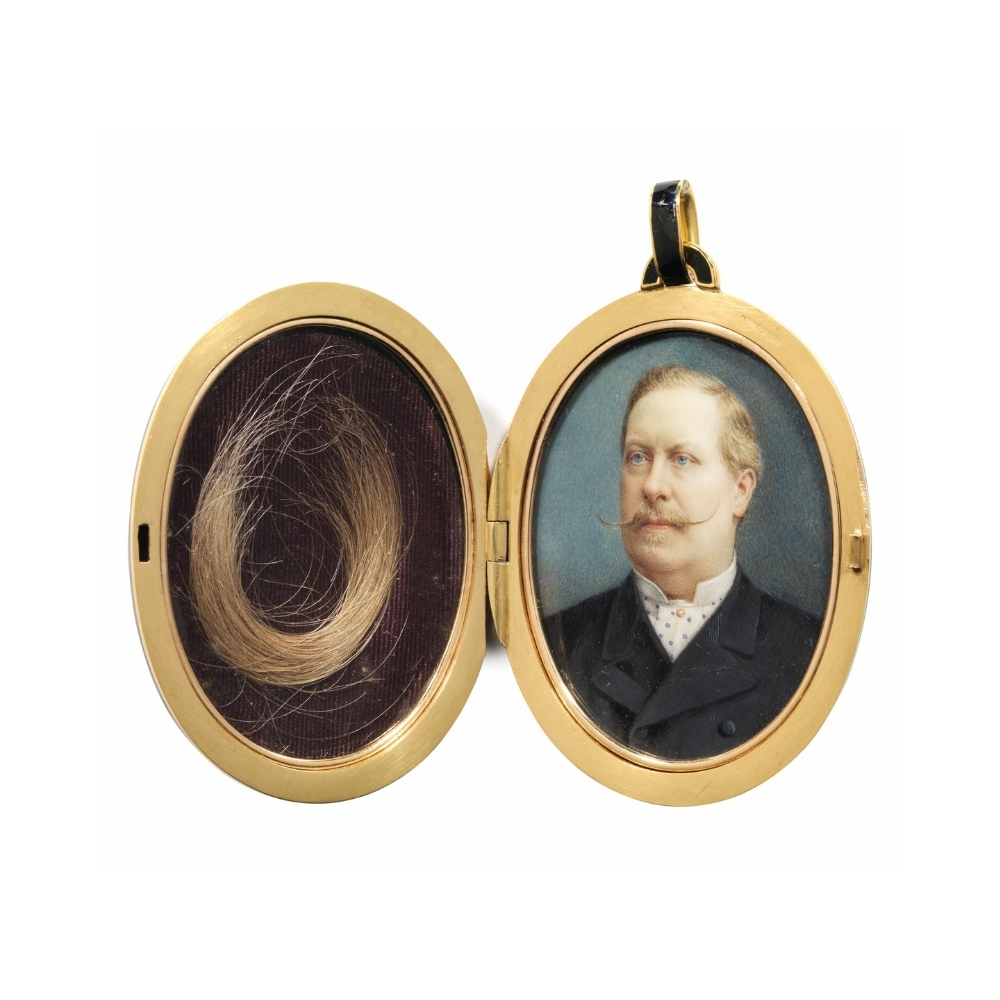
Medallion. Portugal, Lisbon, 1890 Leitão & Irmão. Gold, enamel, diamonds, painting on ivory, silk, glass, hair, silver.
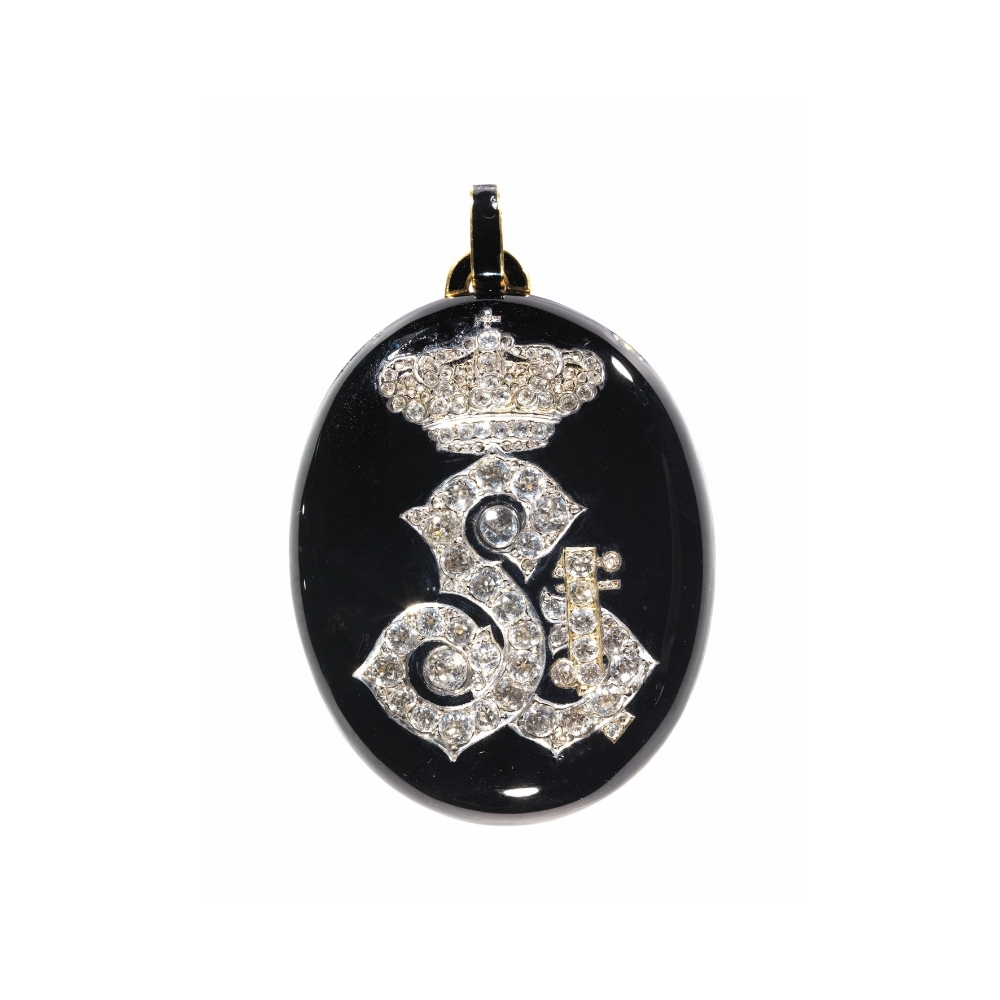
Medallion. Portugal, Lisbon, 1890 Leitão & Irmão. Gold, enamel, diamonds, painting on ivory, silk, glass, hair, silver.
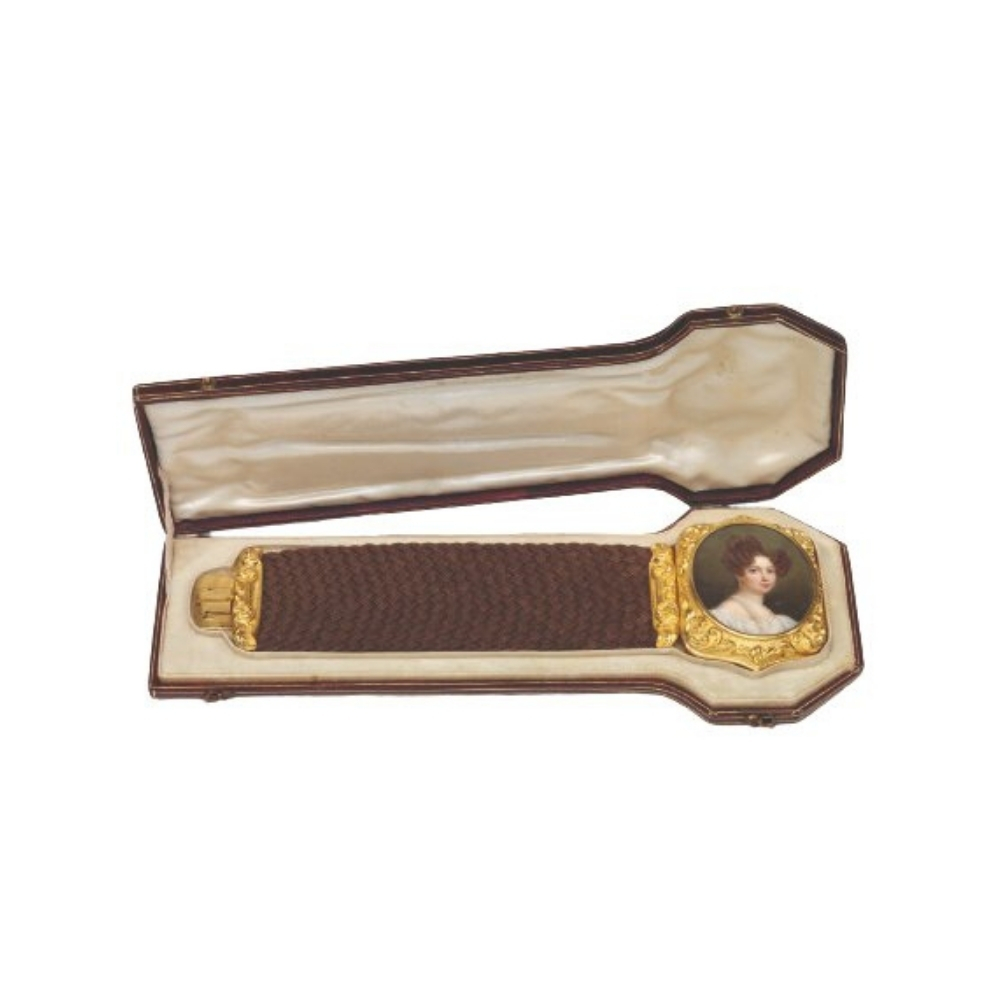
Bracelet featuring a miniature of the Empress of Brazil, D. Amélia de Beauharnais, with case. France, Paris, 19th century (second quarter). Hair, gold, painting on ivory, glass (bracelet).
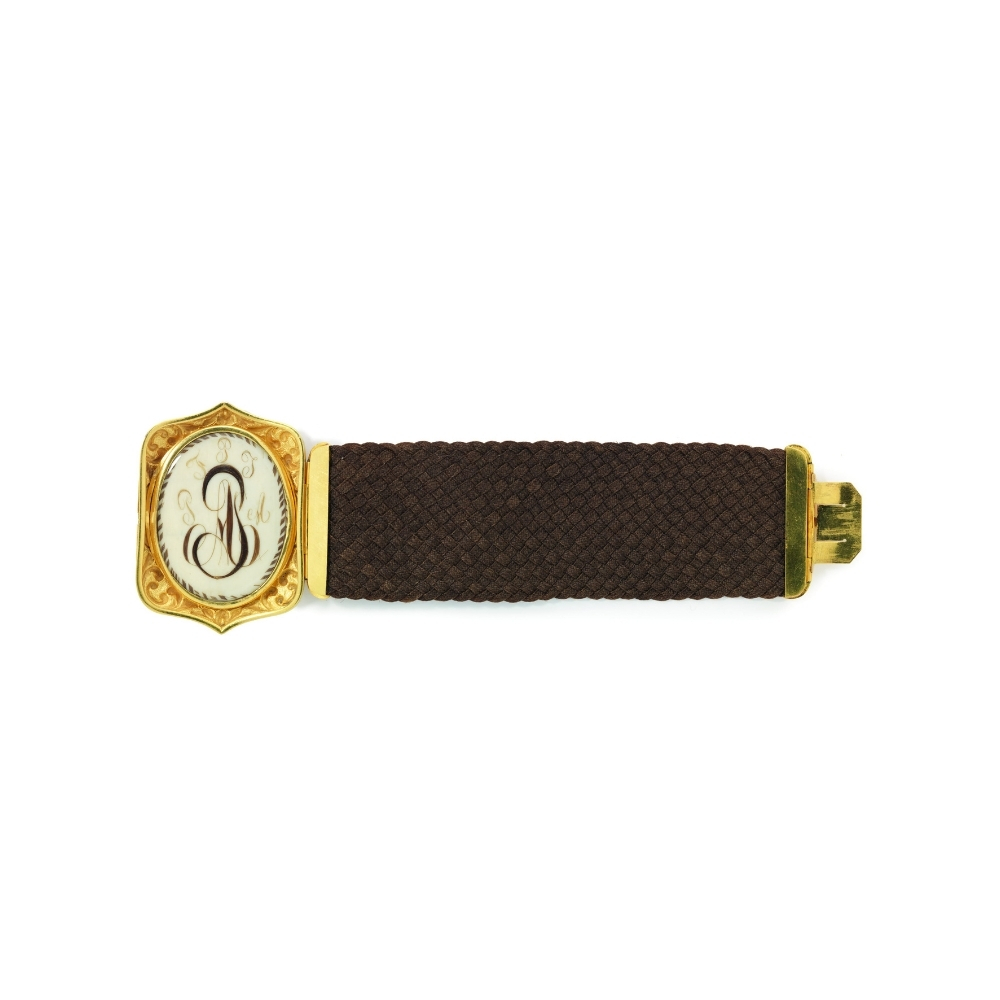
France, Paris, 19th century (2nd quarter). Hair, gold, painting on ivory, glass (bracelet).
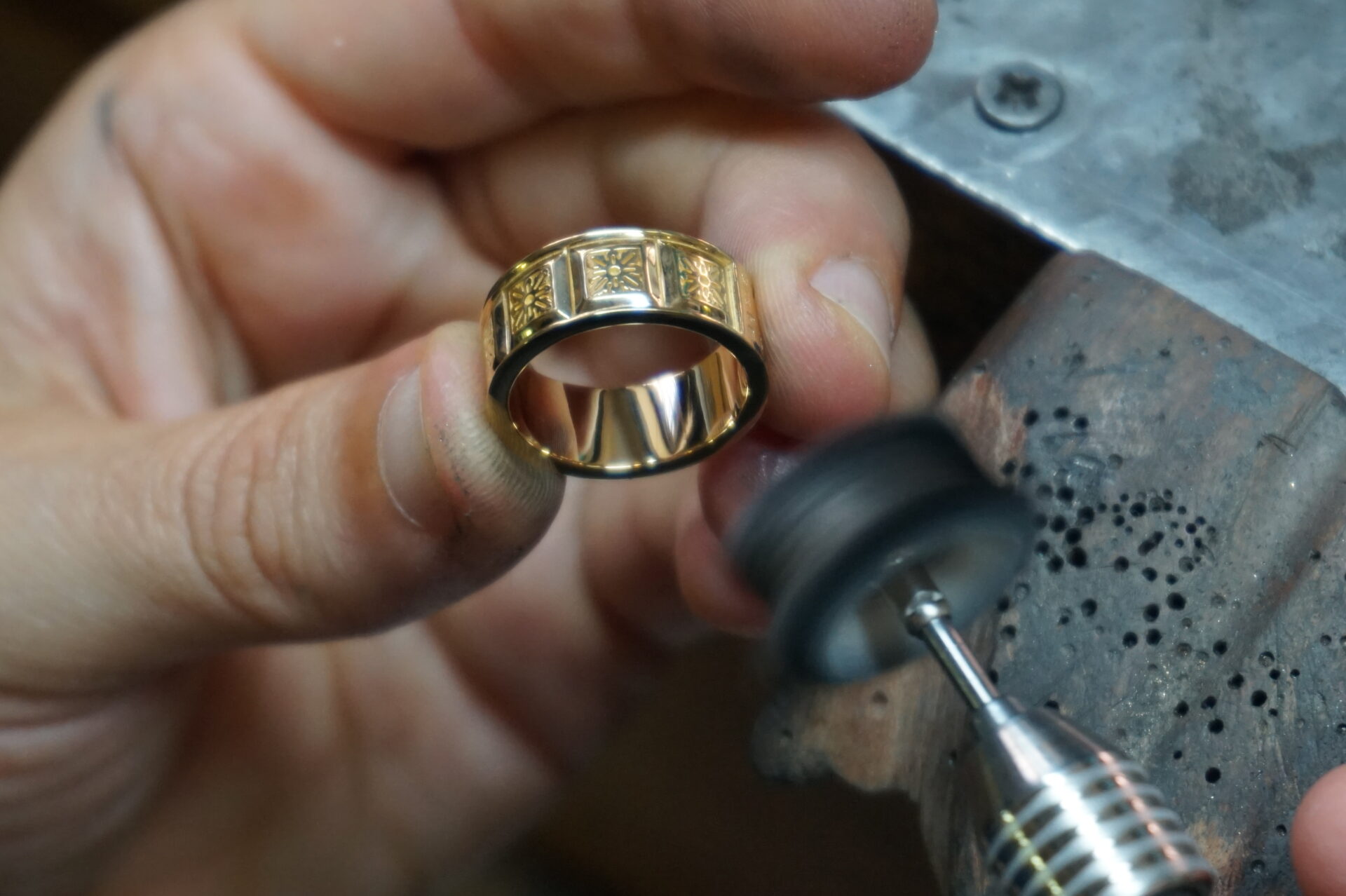
Fine jewellery is handcrafted by experienced master jewellers. The technical definition requires the piece to be handcrafted. In fine jewellery:
Unlike mass-produced luxury jewellery, Haute Joaillerie focuses on unique pieces.
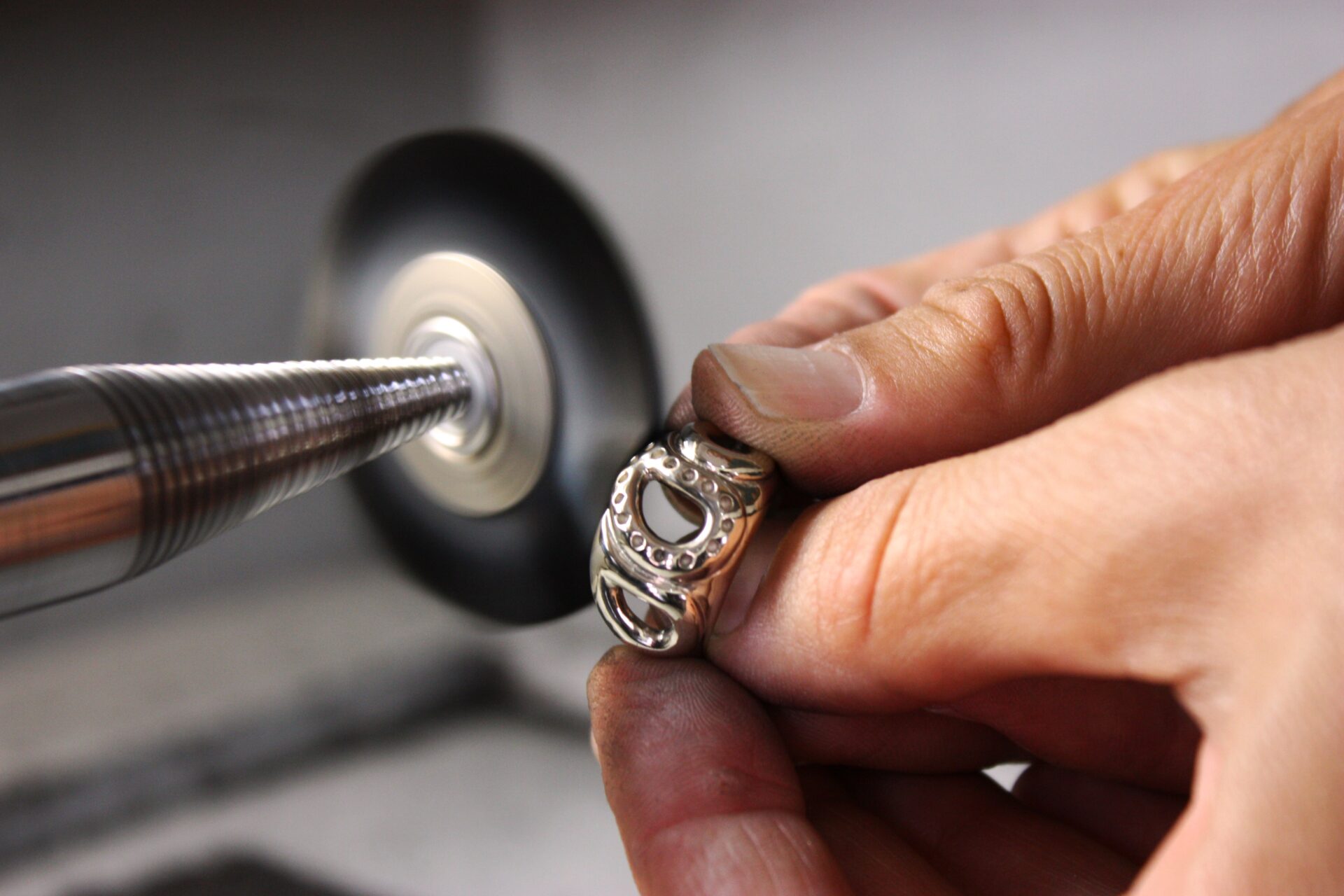
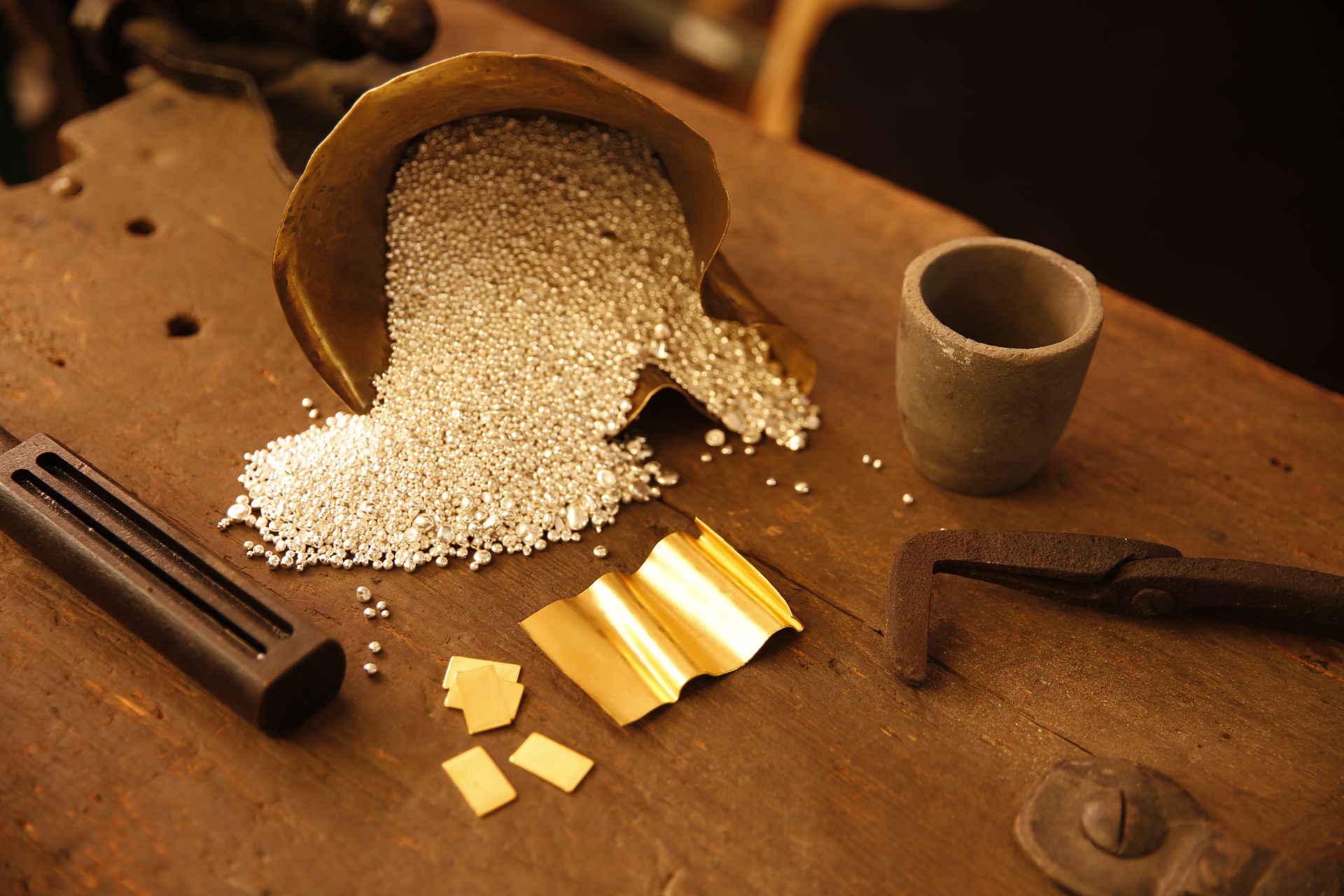
Traditional jewellery houses play a key role in preserving and promoting this expertise.
They are responsible for:
In the Portuguese context, these houses are of particular significance, as they combine historical heritage with modernity and meticulous contemporary craftsmanship.
Portuguese jewellery is based on three fundamental pillars: tradition, craftsmanship and raw materials.
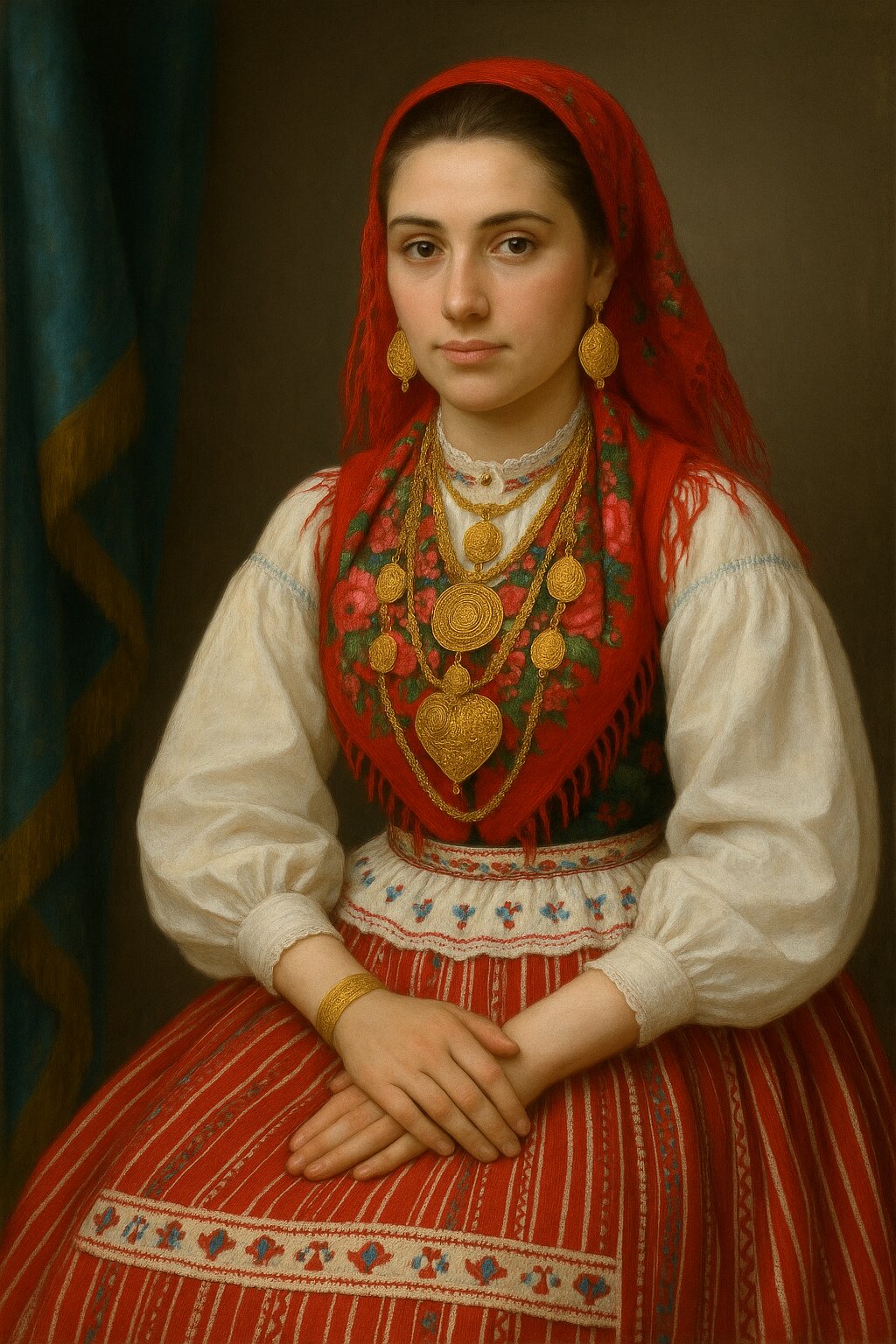
In Portugal, 19.2-carat gold is the most commonly used
This distinctive feature sets Portuguese jewellery apart on the international stage and reinforces its reputation.
The evolution of jewellery in Portugal is deeply intertwined with its history.
This historical context has contributed to the development of a distinctive aesthetic language that is both rich and of recognised origin.
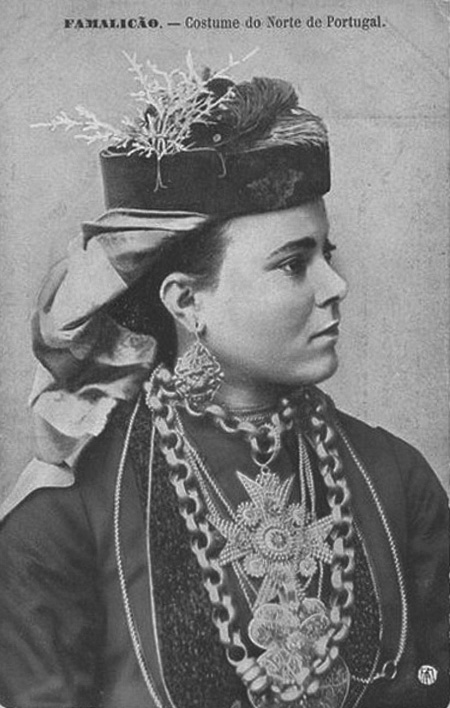
Today, Portuguese jewellery strikes a balance between tradition and modernity.
Historic houses and contemporary designers contribute to the sector’s continuity and relevance.
Portuguese jewellery is distinguished by:



While other markets favour industrial production, Portugal maintains an approach that is more focused on exclusivity.
The combination of exceptionally fine gold, traditional craftsmanship and historical heritage.
Filigree has been associated with Portugal since the country’s inception and is renowned for its quality and intricate detail.
Filigree can be elevated to the level of fine jewellery, which is not the case with commercial filigree.
In a 19.2k gold alloy, 80% of the item’s weight is pure gold.
In an 18k gold alloy, 75% of the item’s weight is pure gold.
The 19.2k alloy, traditional Portuguese gold, contains a higher proportion of pure gold than the 18k alloy.
Portuguese jewellery stands out as an expression of continuity and precision. The combination of fine materials, technical craftsmanship and cultural heritage establishes it as a key benchmark in both traditional and contemporary contexts.
This context reinforces its natural role in fine jewellery, where authenticity is an essential criterion.
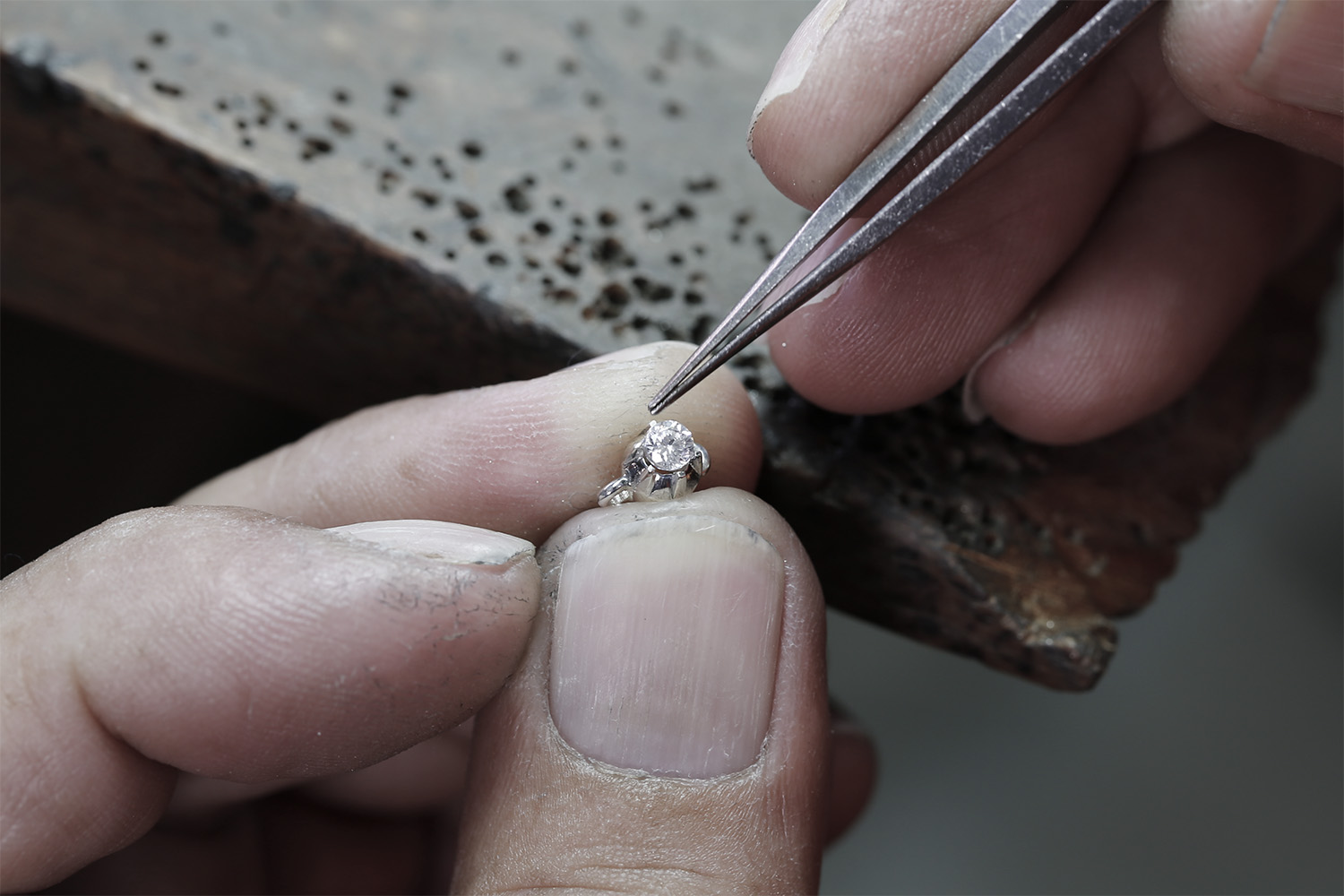
CIBJO – The World Jewellery Confederation. The Blue Book: Precious Metals and Gemstones Standards.
Gemological Institute of America (GIA). Diamond Grading Reports and Educational Resources.
Portuguese Jewellery and Watchmaking Association (AORP). Guide to the Portuguese Jewellery Sector.
Portuguese Institute for Quality Services (IPQ). Regulations on precious metals and assay offices in Portugal.
Vever, François. French Jewelry of the Nineteenth Century. Thames & Hudson.
Cartier. Cartier High Jewelry Collections (institutional catalogues).
Van Cleef & Arpels. The Art of High Jewelry (maison publications and archives).
Royal Collection Trust. Jewellery in the British Royal Collection.
Royal Treasure Museum (Lisbon). Permanent Collection Catalogue.
Oppi Untracht. Jewelry Concepts and Technology. Doubleday.
Sotheby’s. Complete Guide to Collecting High Jewelry or Haute Joillerie.
Jewellery
Woman
Man
Category
Material
Collection
Home
Category
Collection
Gifts
Gifts for
Occasion
Explore
House Leitão
House Leitão
Manufacturing in Lisbon
L&I Commitment
Welcome to the wonderful world of Leitão & Irmão
Stay up to date with the latest news, get early access to new collections, invitations to private events, and enjoy priority appointment booking.
By subscribing to Leitão News, you declare that you agree to the Privacy Policy of Leitão & Irmão.
Thank you
Enjoy Leitão & Irmão products.