




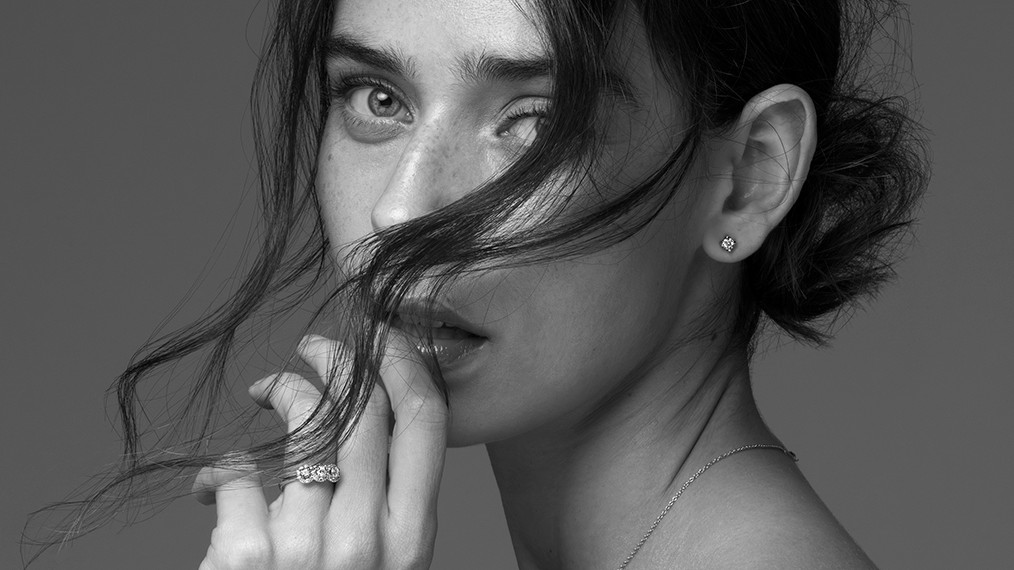
The engagement ring is a jewel which carries emotion in itself, often embodying the expectations of both the giver and the recipient. The decision rests on a clear understanding of the materials, the quality of the gemstones and the style which best reflects the identity of the person who will wear it.
The ideal engagement ring is one which balances longevity, proportion and meaning, respecting tradition, individuality, the dream of the person who wears it and the relationship that inspired it.
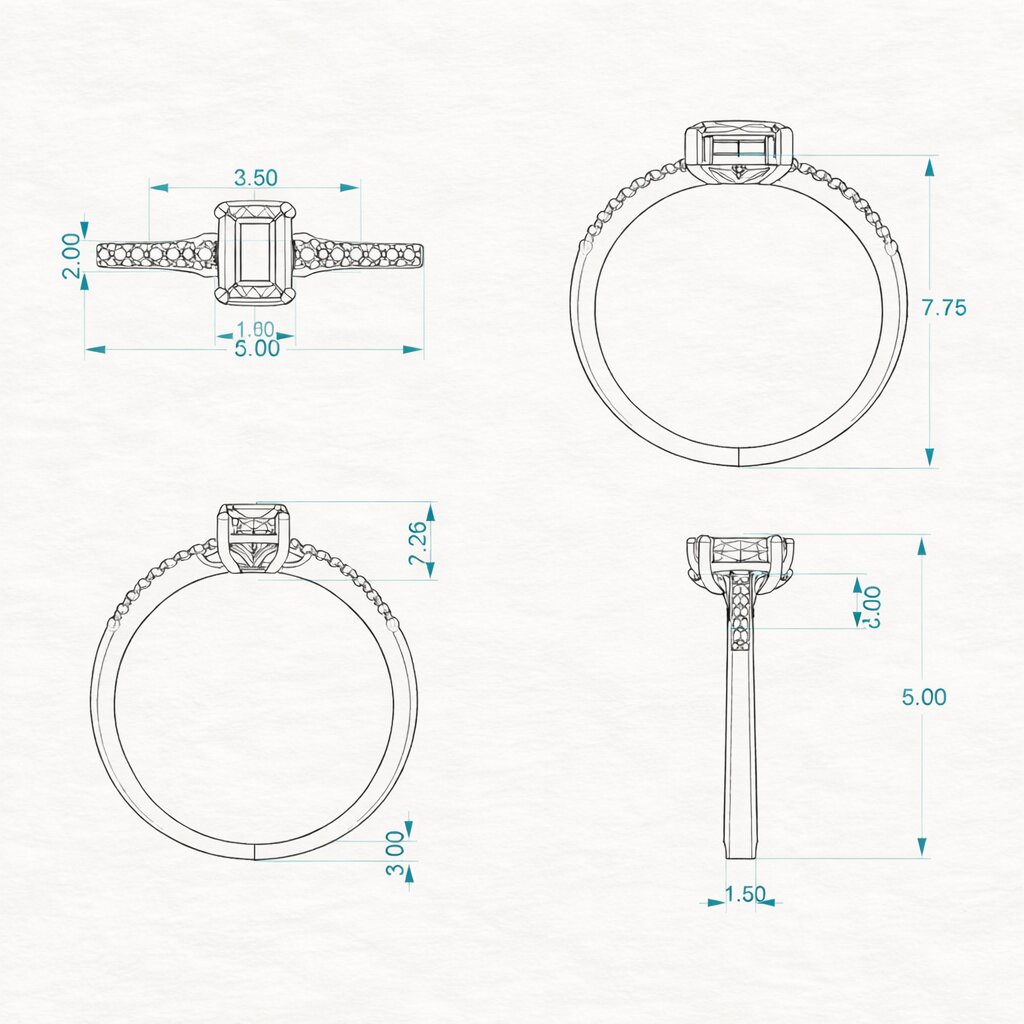
Traditionally, the engagement ring is conceived as a central piece, often featuring a precious stone, usually a diamond, set in a way which highlights its presence and luminosity.
Three fundamental elements can be distinguished:
The harmony between these three factors determines the final quality of the piece.
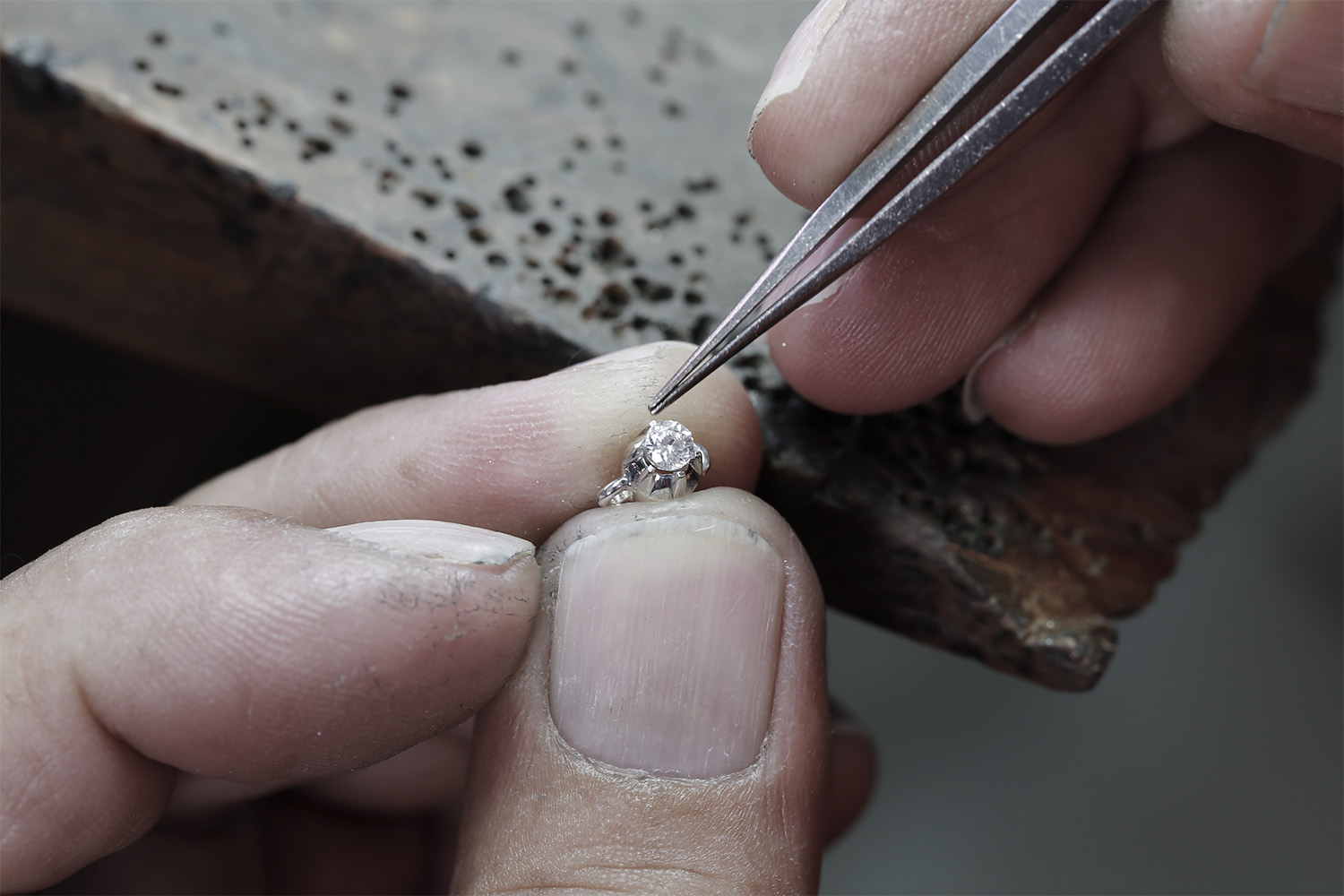
The diamond remains the classic choice, not only for its high degree of hardness, but also for its unique ability to reflect light (to sparkle) from which the name “brilliant” derives.
The quality criteria are based on four essential characteristics:
An excellent cut is decisive, as it directly influences the diamond’s sparkle.
The gemstone traditionally used in engagement rings was the pearl, as a symbol of purity and because of its association with bridal jewellery.
Couples would choose whichever gemstone suited them best, in the colour they preferred. One need only recall Princess Diana’s famous ring, with its central stone: a 12-carat Ceylon sapphire in royal blue.
The use of diamonds in jewellery evolved considerably, owing much to advances in technology which enabled precise cutting, revealing their characteristic sparkle caused by the refraction of light. In antiquity and the Middle Ages, due to their extreme hardness, diamonds were used either in their rough state or with only basic cutting.
In Europe, the marketing slogan “A Diamond is Forever“ brought significant growth to the diamond market.
In Portuguese Jewellery (16th–18th centuries), Rui Galopim de Carvalho highlights the evolution of cuts in Portugal, focusing on the use of large rose-cut diamonds in civil jewellery from the second half of the 17th century and, later, on the impact of the discovery of diamonds in Brazil in the 18th century.
Today, although the diamond is the standard, pearls are making a return as a choice for brides seeking a classic, vintage style, even though they are gemstones that require extra care.
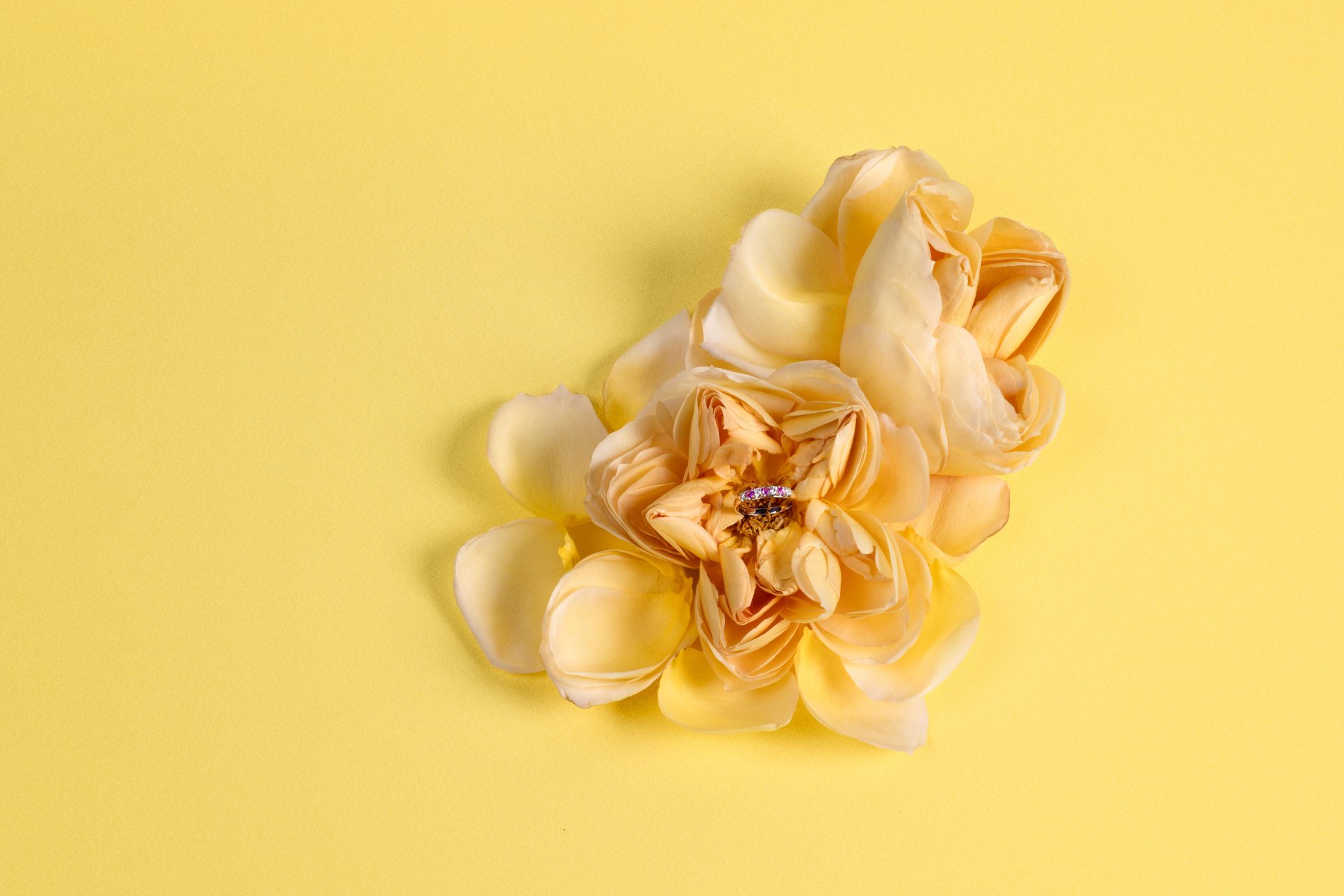
Gold remains the most classic option. In Portugal, 19.2-carat gold is distinguished by its resistance and durability, while also allowing for technical craftsmanship.
Rarer and denser, platinum offers high resistance to wear and a naturally white tone.
It is the most characteristic material for an engagement ring.
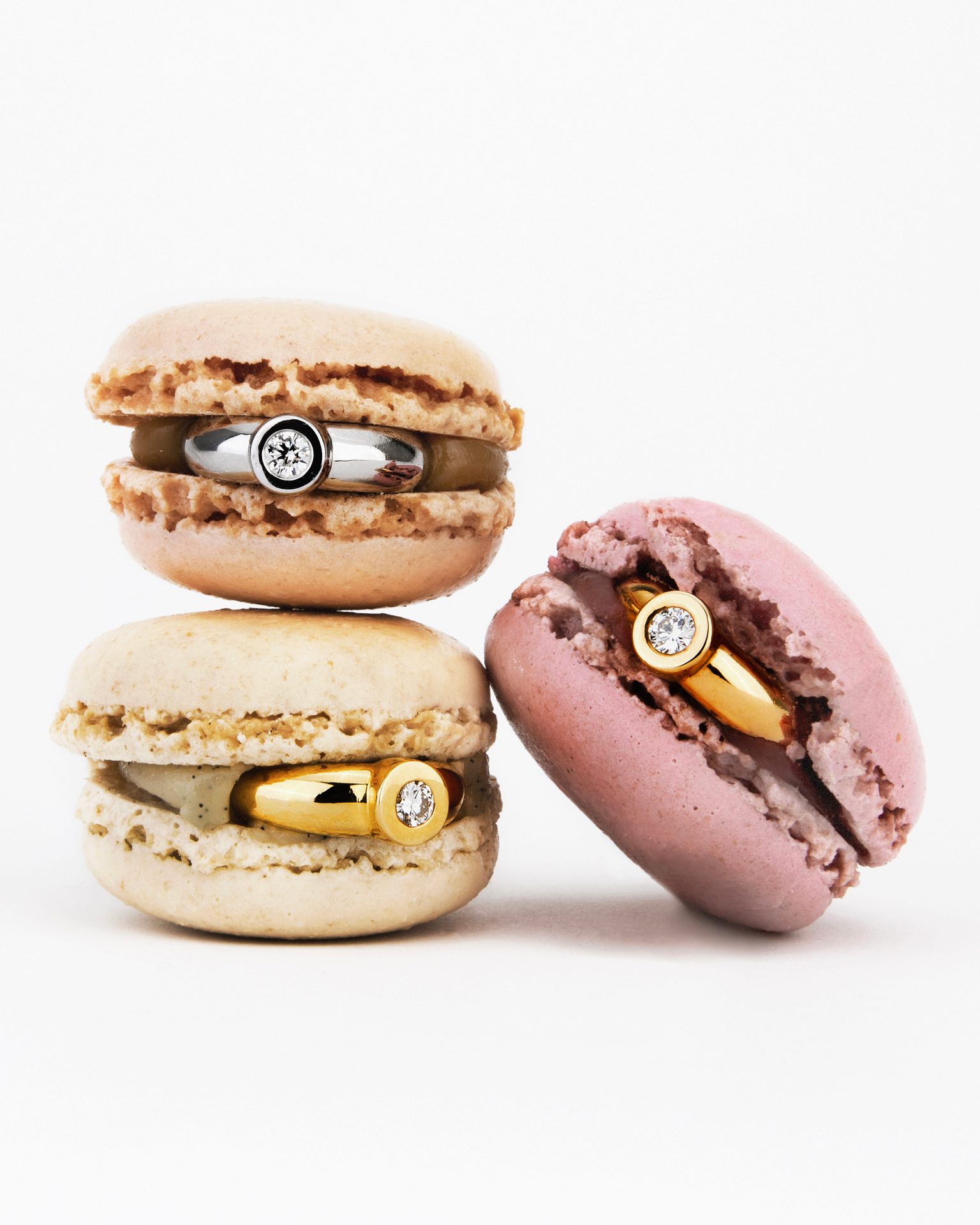
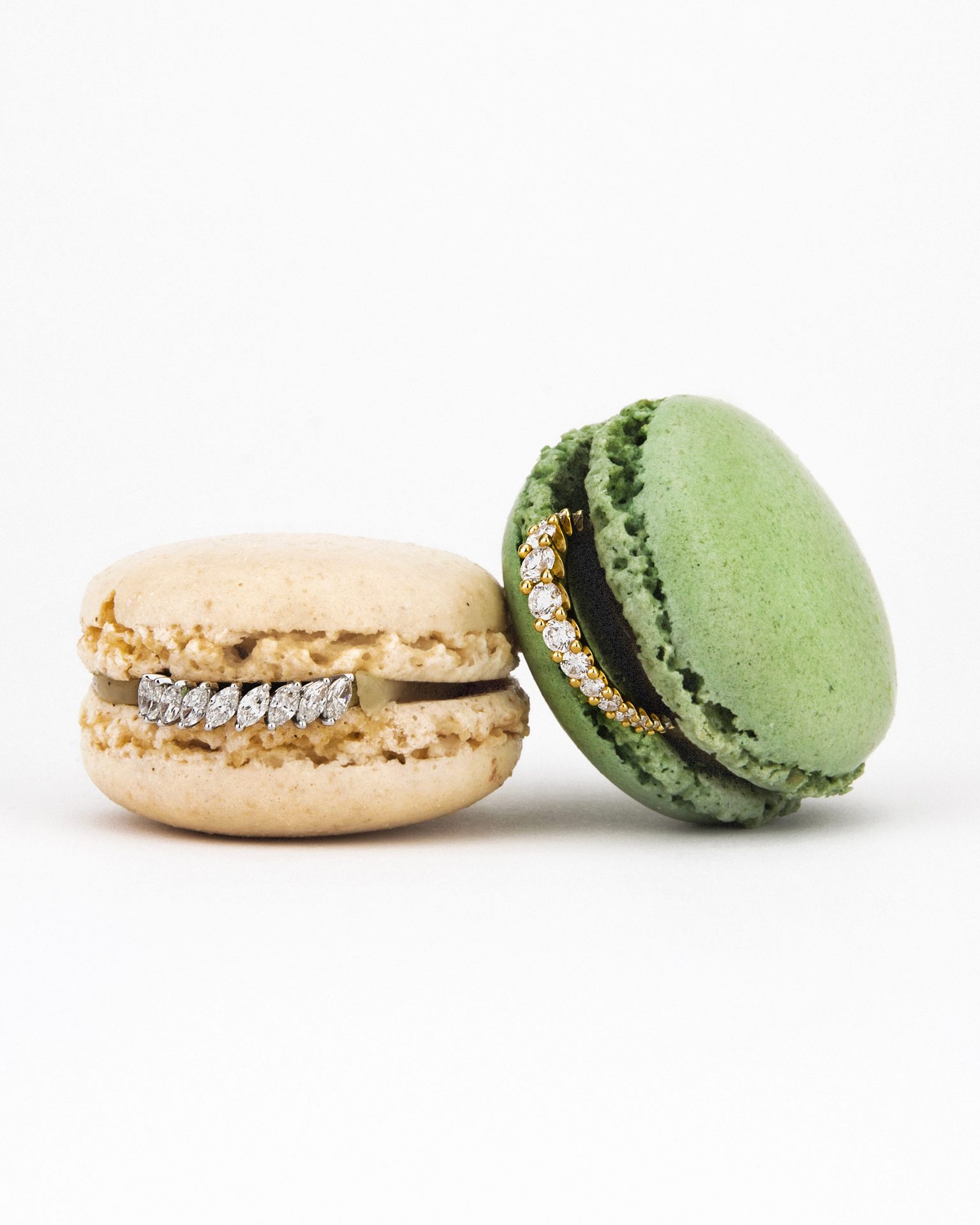
The design of the ring reflects the personality of the person who will wear it and the thoughtfulness of the person offering it, avoiding fleeting trends.
Consider asking close friends or the person’s mother or father for help. Take note of rings from the collection of the person who will wear it, so that advisers, jewellers or designers can interpret the style of jewellery they like.
When making the purchase, bring a ring the person wears frequently so that the correct measurements can be taken.
A single central stone. It is the classic and timeless form.
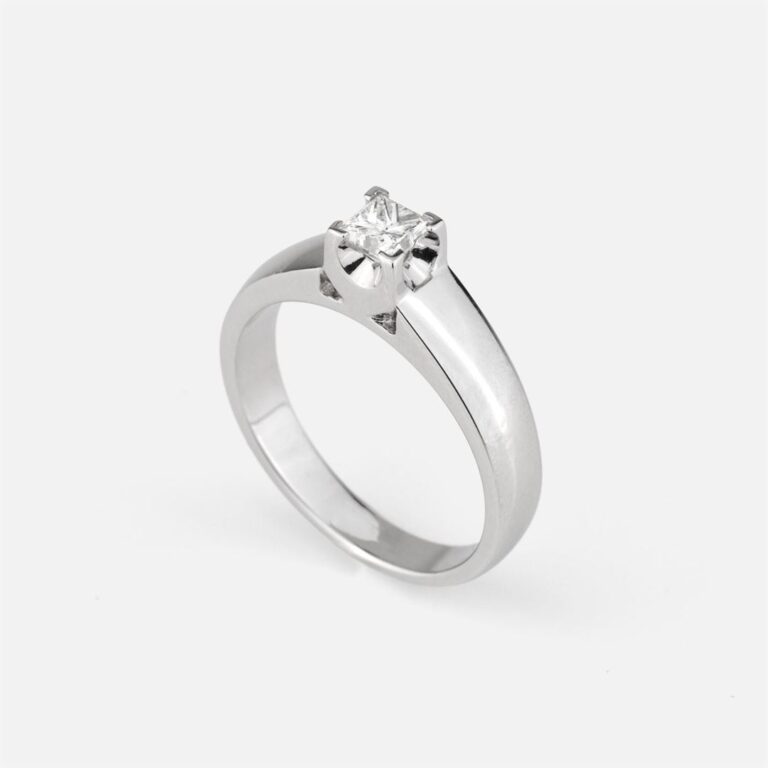

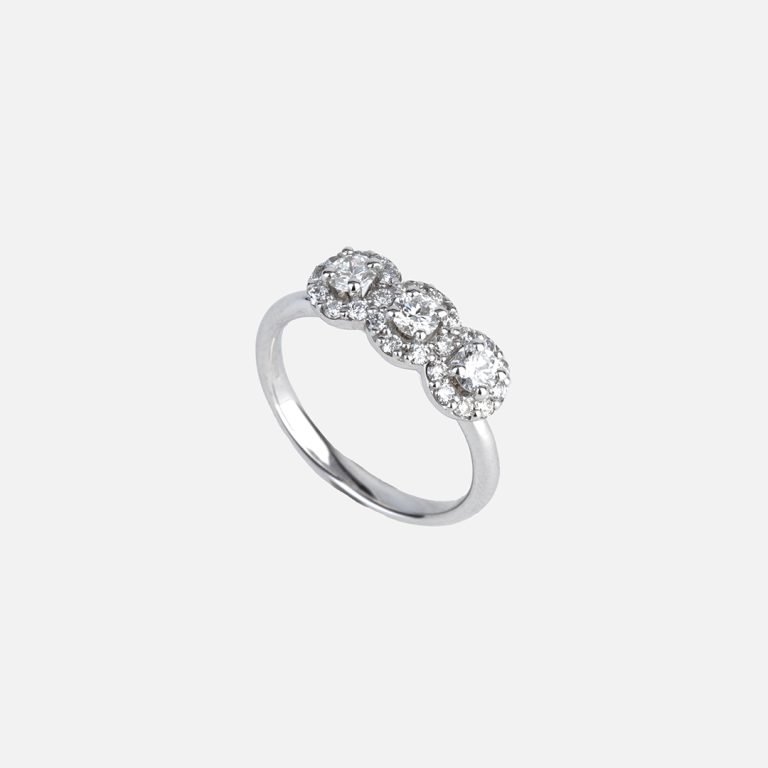
A central stone surrounded by a set of smaller diamonds, enhancing the sparkle and adding dimension to the central stone.
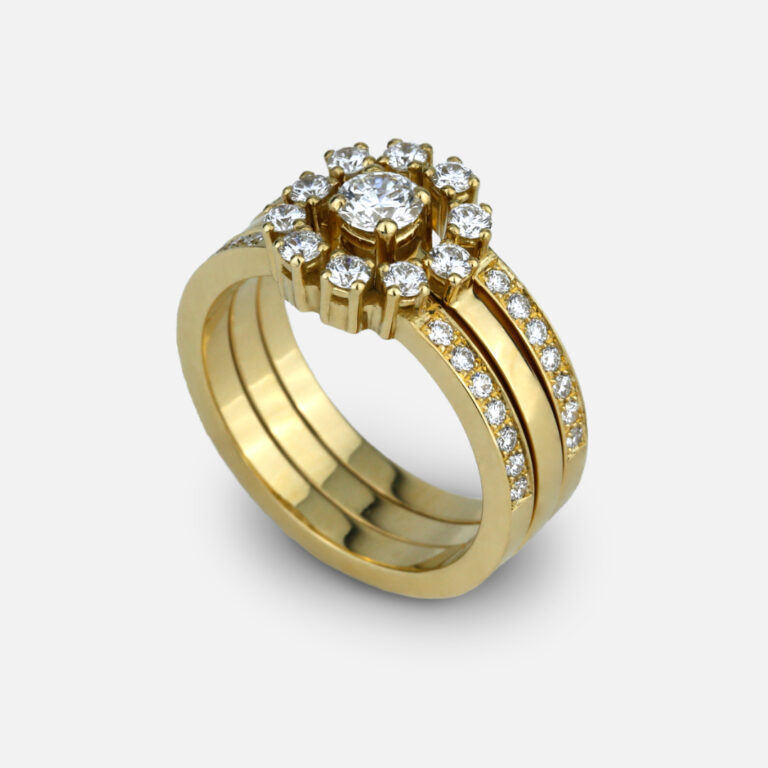
Three stones symbolising the past, present and future.
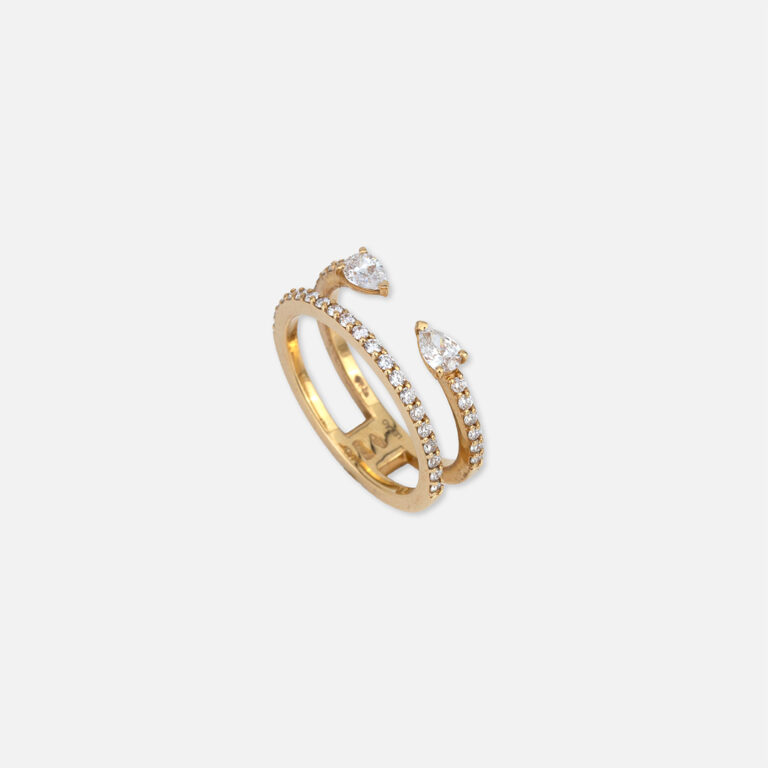
Bolder or more minimalist lines, often with modern interpretations of tradition.
A diamond with an excellent cut, good clarity and good colour offers the best balance between sparkle and value.
Yes. It offers high quality and resistance, and is particularly valued in traditional Portuguese jewellery.
Platinum is the preferred choice. It is more resistant and its white colour is natural. White gold tends to yellow or lose its shine over time.
The solitaire ring remains the classic choice.
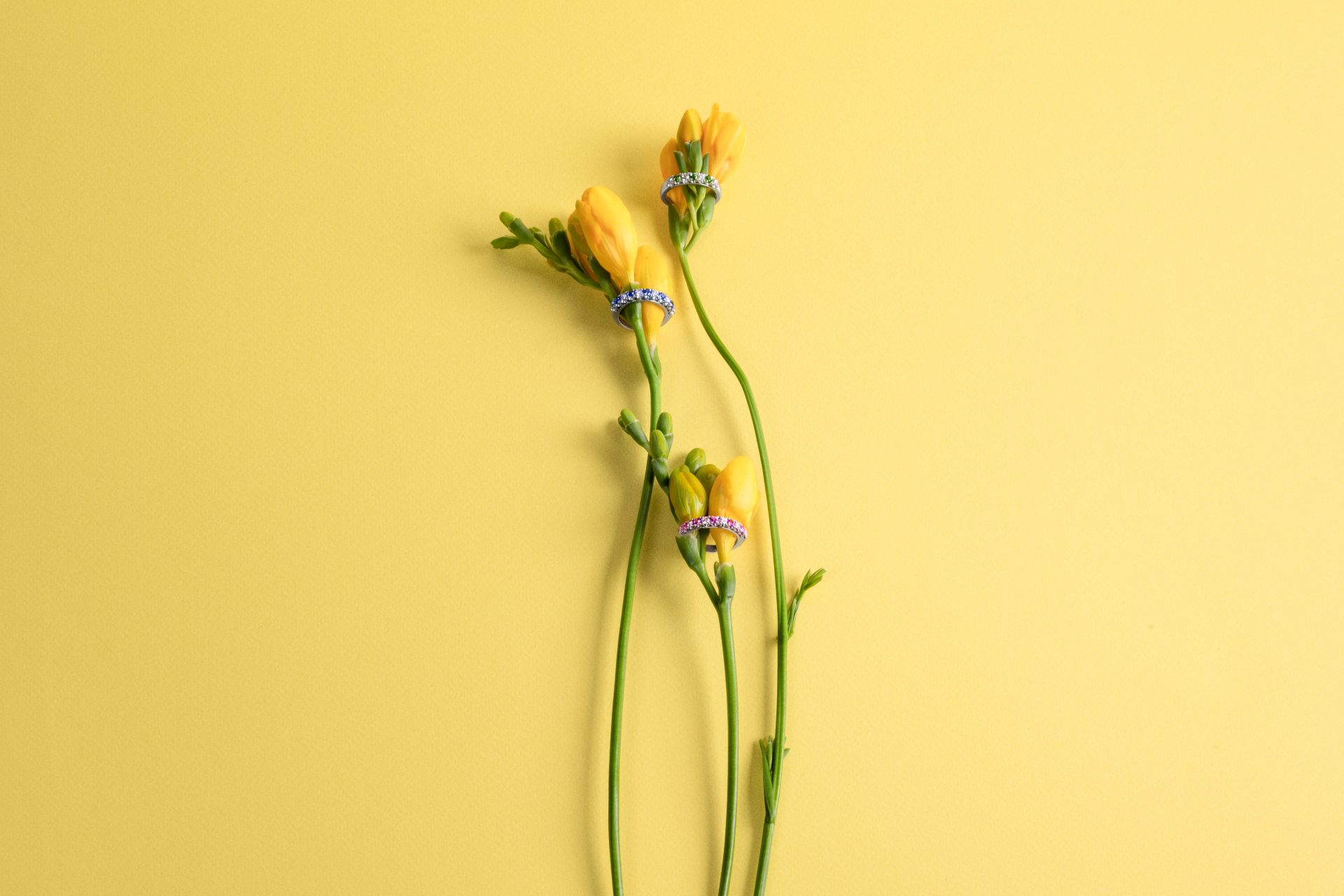
Choosing an engagement ring should not be rushed. It is a piece intended to endure, both materially and symbolically. A rigorous understanding of its elements will allow for a confident, discreet and truly meaningful decision.
Come and choose your engagement ring 4 to 6 months in advance. This way, you can take your time choosing or develop a unique model to your taste.
It is for life.
Jewellery
Woman
Man
Category
Material
Collection
Home
Category
Collection
Gifts
Gifts for
Occasion
Explore
House Leitão
House Leitão
Manufacturing in Lisbon
L&I Commitment
Notice regarding price update
Due to fluctuations in precious metals on the global market, the prices of our products are currently being updated. During this process, some products may appear with the indication “Price on request“.
Our team is available to provide any additional clarification through any of our contact channels.
Welcome to the wonderful world of Leitão & Irmão
Stay up to date with the latest news, collections, and updates.
Enjoy a 10% discount on your next order.
Ao subscrever a Leitão News, declara que concorda com a Privacy Policy of Leitão & Irmão.
Thank you
Enjoy Leitão & Irmão products.